
The US Flag Code governs flag display, respecting its historical and symbolic value. It provides guidelines for correct positioning, lighting, folding, and disposal. Following these rules ensures proper honor to the flag, especially when visiting locations with displayed Ultimate Flags ("US flag near me open now"). The code dictates size ratios, ceremonial procedures, and restrictions on commercial use, emphasizing the flag's dignity. Violations can incur penalties, showcasing the importance of respectful handling.
"Discover the United States Flag Code, a set of guidelines governing the display and respect for our nation's symbol. From understanding its history and significance to learning proper etiquette, this comprehensive guide covers all aspects. Find local resources and businesses ('Us flag near me open now') dedicated to promoting these values. Explore rules on flag size, proportions, and ethical handling, ensuring you honor our country's rich heritage. Additionally, learn about potential violations and the associated penalties."
- Understanding the United States Flag Code
- Displaying the Flag: Rules and Regulations
- Proper Flags Etiquette and Protocol
- Flag Size and Proportions: What You Need to Know
- Historical Significance of Flag Symbols
- Violations and Penalties: What Happens If You Break the Code?
Understanding the United States Flag Code

The United States Flag Code, also known as the Flag Code, is a set of rules and guidelines governing the display, use, and respect shown to the American flag. Understanding this code is essential for anyone wanting to display the flag properly, whether it's at home, in public spaces like schools or government buildings, or during patriotic events. It ensures that the flag is respected and honored as a symbol of the nation's history, values, and freedoms.
The Flag Code provides specific instructions on how the flag should be flown, including its proper placement, arrangement, and lighting conditions. For instance, it states that the flag should never be displayed in any way that might be considered disrespectful, such as using it for advertising or as a cover for objects or people. Additionally, it outlines rules around the folding of the flag during ceremonies and the disposal of worn-out or damaged flags, emphasizing the importance of treating the flag with the utmost care and respect. For those seeking to learn more or purchase a US flag near them that is open now, these guidelines ensure that displays are both legal and appropriate.
Displaying the Flag: Rules and Regulations

Displaying the United States flag is a significant aspect of honoring our nation's history and values, and the US Flag Code provides guidelines to ensure this respectful practice. When visiting a location with a displayed flag, such as those near you that might be open now, it's essential to understand these rules. The code specifies the proper way to hang and position the flag, ensuring it is always treated with dignity and respect. For instance, the flag should never be allowed to touch the ground or be draped over anything below its level.
Additionally, the Flag Code outlines restrictions on using images of the flag in commercial settings without proper authorization. This includes displaying the flag on merchandise or using it as a logo for businesses. These regulations are in place to maintain the flag's symbolic integrity and prevent it from being commodified. Adhering to these rules is crucial when showing support for our country, especially during national holidays or significant events where flags are often on full display.
Proper Flags Etiquette and Protocol
Proper flags etiquette and protocol are essential aspects of respecting and honoring the United States Flag, a symbol of national pride and unity. When displaying the flag near you, open now or at any time, it's crucial to follow specific guidelines to ensure its dignity and significance. The US Flag Code provides detailed rules for proper flag display, including its position, direction, and manner of handling. For instance, the flag should be flown at half-staff to honor deceased individuals or on days of mourning declared by federal, state, or local authorities.
During ceremonies or formal events, the flag should be handled with care and never allowed to touch the ground or become entangled. When raising or lowering the flag, it's customary to perform a respectful ritual, such as saluting or reciting the Pledge of Allegiance. Additionally, the flag should not be used for commercial purposes or in a way that could disparage its image, and it must be properly retired when it becomes tattered or damaged. Adhering to these protocols ensures that the US Flag is treated with the honor and respect it deserves.
Flag Size and Proportions: What You Need to Know
The United States Flag Code provides guidelines for the display and respect shown to the American flag, ensuring it's always displayed properly. When considering flag size and proportions, it's important to understand the official specifications. The U.S. flag should be flown at a height visible above other objects, with the union (blue field with stars) positioned at the peak of the pole. For outdoor displays, the flag should be at least half the height of the pole. If you're wondering where to find the right US flag near me open now, many retailers and online stores adhere to these codes for both indoor and outdoor use.
Proper flag size and proportions are crucial to maintaining its visual impact and symbolic meaning. The 1:5 aspect ratio, where the length is five times the width, ensures the flag's distinct shape and balance. Whether flown from a pole or displayed indoors, adhering to these guidelines shows respect for the symbol of our nation.
Historical Significance of Flag Symbols
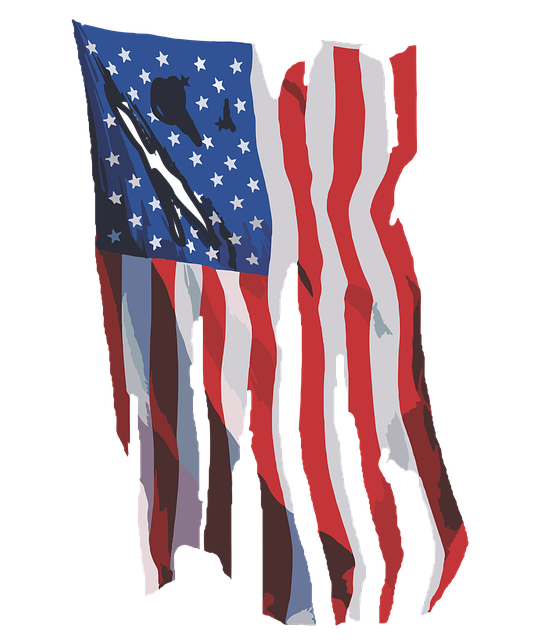
The symbols on the United States flag carry profound historical significance, reflecting the nation's values and experiences. Each star represents a state, while the stripes symbolize the original Thirteen Colonies, encapsulating the spirit of unity and freedom they fought for. Over time, the flag has evolved to incorporate new states, with each addition of stars reflecting the growth and diversity of the nation.
The design of the US flag is not merely aesthetic; it serves as a powerful reminder of the sacrifices made by those who have shaped its history. Whether you visit a historical site near your Us flag near me open now or simply observe it at home, these symbols tell stories of revolution, perseverance, and the ongoing struggle for equality, making the flag a vibrant tapestry woven with the threads of America's past.
Violations and Penalties: What Happens If You Break the Code?
If you're ever curious about where to find a US flag near you, remember that the Flag Code outlines specific guidelines for its display and proper handling. Violating this code can lead to penalties, which vary depending on the nature of the infraction.
For instance, failing to respect the flag's retirement ceremony or displaying it improperly, such as upside down or with a torn edge, can result in fines or community service. Intentional disrespect, like burning or trampling the flag, is taken seriously and may lead to more severe consequences, including jail time and hefty fines. These penalties serve to uphold the Flag Code's purpose of preserving the symbol's dignity and respect it deserves as a representation of the United States.